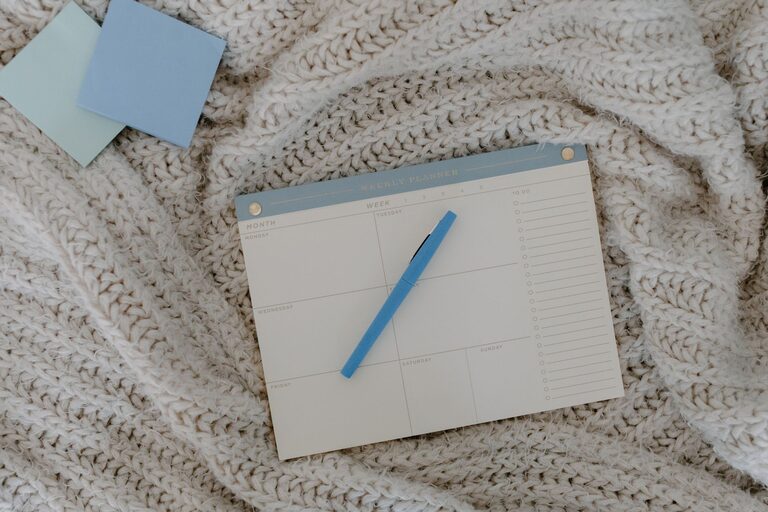
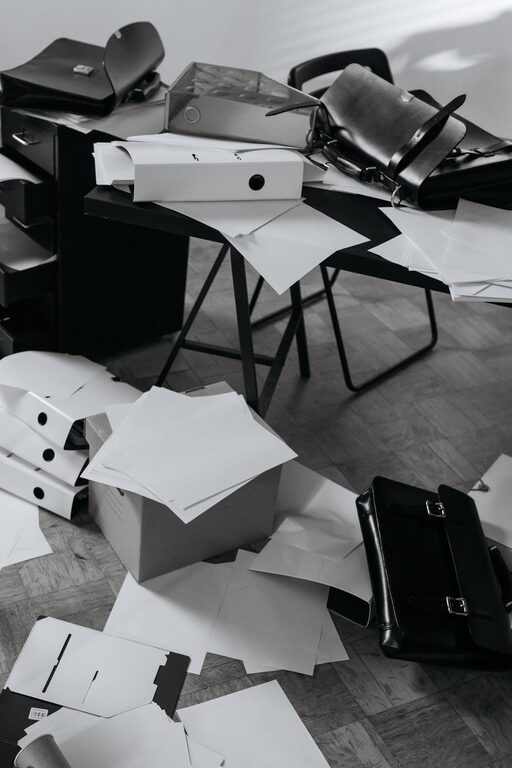
Reducing household paper clutter can dramatically improve your living environment, making it feel more peaceful and organised. Paper tends to accumulate quickly, from bills and receipts to school notes and junk mail, often creating a stressful mess. The good news is that with a few simple habits and solutions, you can manage and reduce paper clutter effectively.
Why Reduce Paper Clutter?
Clutter, especially paper clutter, can impact your home’s tidiness and your mental clarity. Managing paper clutter helps you:
– Find important documents quickly
– Decrease stress linked to disorganisation
– Save space and keep surfaces clear
– Protect sensitive information from getting lost or damaged
Now, let’s explore some practical ways to keep your paper under control.
1. Sort and Purge Regularly
A key step in controlling paper clutter is sorting through your papers regularly.
How to sort effectively:
– Create categories: Separate papers into categories such as bills, receipts, personal documents, schoolwork, and junk mail.
– Decide what to keep: Keep only documents that are necessary or have legal or sentimental value.
– Recycle or shred: Dispose of unwanted papers responsibly. Shred sensitive information to protect your privacy.
Aim to sort your mail and papers weekly to prevent piles from forming.
2. Go Digital Where Possible
Reducing physical paper starts with embracing digital alternatives.
– Electronic bills and statements: Sign up for digital billing and statements with your utility providers and banks.
– Scan important documents: Use a scanner or smartphone app to digitise important papers. Save them in organised folders on your computer or cloud storage.
– Use note-taking apps: Replace physical notebooks and sticky notes with digital apps for reminders and lists.
Going digital reduces the amount of paper you bring into your home.
3. Create a Designated Paper Station
Having a specific place for incoming paper makes it easier to manage.
– Set up an inbox tray: Use a small tray or box where all incoming paper can be collected.
– Label folders: Create folders or files for different categories like “To Pay,” “To File,” or “To Action.”
– Process promptly: Schedule a weekly time to go through this station, sorting or filing papers immediately.
This system stops papers from spreading across your home.
4. Use Filing Systems That Work for You
An organised filing system helps keep your papers tidy and accessible.
Filing tips:
– Choose the right storage: Use filing cabinets, portable file boxes, or accordion folders depending on your space.
– Label clearly: Use clear labels on folders so you can find documents easily.
– Limit categories: Keep categories broad to avoid creating excessive folders. For example, “Utilities” instead of separate folders for each company.
Remember, the simpler the system, the easier it is to maintain.
5. Manage Receipts Wisely
Receipts are a common source of clutter but can be managed efficiently.
– Keep only necessary receipts: Retain receipts needed for warranties, tax purposes, or returns.
– Go digital: Take photos of receipts and store them on your phone or computer, then recycle the paper.
– Use envelope organisers: Keep paper receipts you need in a labelled envelope or small file.
This way, receipts won’t pile up unnecessarily.
6. Tackle Junk Mail at the Source
Reducing paper clutter starts with preventing junk mail.
– Opt out: Register with mail preference services to stop marketing mail.
– Contact senders: Request to be removed from mailing lists.
– Recycle immediately: Dispose of junk mail without letting it accumulate.
Taking these steps reduces the volume of unwanted paper arriving at home.
7. Develop Daily Habits
Small daily habits can prevent paper clutter from taking over.
– Sort mail as soon as it arrives.
– Do a quick tidy-up of your paper station at the end of each day.
– Put papers away immediately after use.
Developing these routines will keep clutter at bay over time.
8. Use Paperless Alternatives at Home
Where practical, try to replace paper items with alternatives.
– Use reusable shopping lists or whiteboards instead of paper notes.
– Opt for cloth napkins or towels instead of paper towels.
– Choose e-tickets for events or travel instead of printed versions.
These small changes reduce paper usage in your daily life.
Final Thoughts
Reducing household paper clutter doesn’t require major effort or expensive tools. By sorting regularly, embracing digital solutions, organising your papers, and adopting daily habits, you can create a calm, clutter-free home environment. Start with one or two of these strategies and build on them to find what works best for you and your family.
With consistent effort, managing paper clutter will become second nature, making your home a tidier, more pleasant space to live in.
About the Author