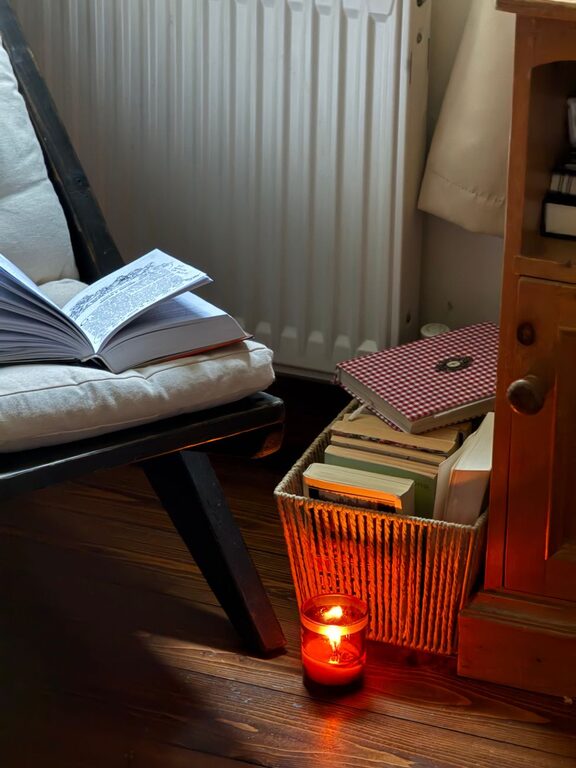

Taking a break from the busy pace of life is essential for maintaining balance and well-being. Planning a no-stress weekend can help you unwind, recharge, and prepare for the week ahead. However, without a clear plan, weekends can sometimes feel as hectic as weekdays. Here’s a friendly, step-by-step guide to planning a calm and enjoyable weekend that centres on relaxation and simplicity.
Why Plan a No-Stress Weekend?
Weekends are an opportunity to step away from work pressures and daily responsibilities. Thoughtful planning ensures you use your time wisely for activities that promote rest and joy, rather than feeling rushed or overwhelmed. A no-stress weekend helps lower anxiety, boost mood, and improve overall health.
Step 1: Set Clear Intentions
Begin by deciding what you want from your weekend. Are you hoping to rest completely, try a new hobby, spend time in nature, or connect with friends and family? Setting a clear intention helps you focus on what matters most to you.
Tips:
– Write down your weekend goals.
– Prioritise activities that make you feel relaxed and happy.
– Avoid overcommitting.
Step 2: Prepare in Advance
Reduce weekend stress by handling tasks before your break starts. This includes tidying your space, preparing meals, and organising essentials like clothes or equipment for planned activities.
Meal Prep Ideas:
– Cook simple, nutritious meals in advance.
– Stock up on healthy snacks.
– Plan easy breakfast options.
Step 3: Limit Technology Use
Digital devices can often increase stress rather than relieve it. Challenge yourself to limit screen time, especially work emails and social media, during the weekend.
How to Reduce Screen Time:
– Designate specific times to check your phone.
– Use apps that monitor and limit usage.
– Engage in offline activities like reading or gardening.
Step 4: Create a Relaxing Environment
Your surroundings greatly influence your mood. Set up a calm space at home where you can relax without distractions.
Ideas for a Relaxing Space:
– Declutter the area.
– Add comfy cushions, blankets, or candles.
– Play soft background music or nature sounds.
Step 5: Plan Your Activities Thoughtfully
Balance restful and engaging activities to keep the weekend enjoyable but not overwhelming.
Examples of No-Stress Activities:
– Going for gentle walks or light exercise.
– Reading a favourite book or watching a comforting film.
– Practicing mindfulness, yoga or meditation.
– Spending quality time with loved ones.
– Journaling or creative hobbies like drawing or knitting.
Step 6: Prioritise Sleep
A good night’s sleep is vital for restoration. Try to keep a consistent sleep schedule, going to bed and waking up at the same time both days.
Tips for Better Sleep:
– Avoid caffeine and heavy meals before bed.
– Reduce screen exposure one hour before sleeping.
– Keep your bedroom cool, dark and quiet.
Step 7: Be Flexible and Kind to Yourself
Remember, the goal is to reduce stress, so don’t follow your plan rigidly if it begins to feel restrictive. If you need extra rest or want to try something spontaneous, allow yourself the freedom to adjust.
Mindset Tips:
– Let go of ‘shoulds’ or expectations.
– Practice self-compassion.
– Enjoy the moment and appreciate small joys.
Final Thoughts
A well-planned no-stress weekend can rejuvenate your mind, body, and spirit. By setting clear intentions, preparing ahead, limiting technology, creating a relaxing environment, choosing restorative activities, prioritising sleep, and being flexible, you’ll create a peaceful break that truly refreshes you. Embrace the chance to slow down and treat yourself kindly — your well-being deserves it.
About the Author